- Decimal Odds
- Hong Kong Odds
- Indonesian Odds
- American Odds
- Malay Odds
 English
- English
 Vietnam
 Thailand

Cape Verde’s Goalkeeping Hero Faces Uncertain Future — Can His Career Continue?


-
1
 El CapitanFollow84.6%Win Rate +48.5%ROI 13Tips 1.87Avg Odds
 -
2
 Freeman55Follow79.4%Win Rate +51.2%ROI 36Tips 1.92Avg Odds
 -
3
 udadheWon 11/13Follow78.9%Win Rate +47.9%ROI 19Tips 1.91Avg Odds
 -
4
 nic gongFollow75%Win Rate +48.9%ROI 17Tips 1.96Avg Odds
 -
5
 MikocheniFollow73.3%Win Rate +37.6%ROI 16Tips 1.90Avg Odds
 -
6
 Mbah_tipsterFollow73.3%Win Rate +39.5%ROI 15Tips 1.90Avg Odds

Cape Verde’s Goalkeeping Hero Faces Uncertain Future — Can His Career Continue?
Cape Verde’s goalless draw against Spain in their opening match showcased their resilience, while the 2-2 draw with Uruguay in the second round highlighted their courage.
Unlike many underdogs, Cape Verde did not simply sit back and defend. Although they still managed only 35% possession, their counterattacking threat was significantly greater in this match. The Blue Sharks fired 12 shots and even recorded more shots on target (4) than Uruguay (2), demonstrating the same quality that helped them eliminate Cameroon during the qualification campaign.
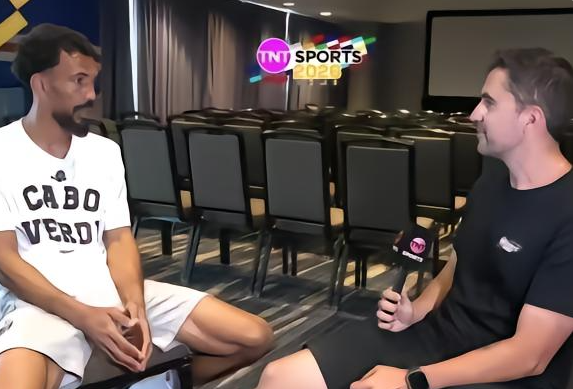
While Cape Verde’s attacking players earned plenty of praise, goalkeeper Vozinha, the hero of the opening match, endured a far less impressive outing. Uruguay’s only two shots on target both resulted in goals, and he received a disappointing 5.9 rating after the game. Meanwhile, reports from overseas suggest that Portuguese second-tier side Chaves are not planning to renew his contract, meaning Cape Verde’s World Cup hero could soon find himself without a club.
At first glance, Chaves’ decision appears to be another reminder that even “world-class saves” cannot overcome the harsh realities of football. In reality, however, it is a rational decision based on the player's age and the club’s long-term ambitions.
At 40 years old, Vozinha can no longer fully match the club’s aspirations. Since being acquired by Mexican ownership, Chaves have set their sights on promotion to the Primeira Liga. Vozinha made 19 league appearances this season, keeping six clean sheets while conceding 23 goals. The club is seeking a younger and more consistent first-choice goalkeeper. His biggest competitor is Chaves backup goalkeeper Gujulić. The Serbian is only 23 years old—17 years younger than Vozinha—and clearly offers greater long-term potential.

In my view, a world-class performance in a single match does not equal sustained league-level consistency. We should not use the emotional high of one World Cup game to predict performance over an entire season. The heroic display against Spain and the underwhelming performance against Uruguay are both extremes rather than his true level, but at 40 years old, Vozinha may have reached the stage of his career where maintaining a consistently high standard becomes increasingly difficult.
No one can defeat time. Everyone must ultimately respect the laws of nature.
That said, I do not believe his playing career is over. From a purely sporting perspective, Vozinha still possesses the ability to compete professionally. If Chaves decide not to renew his contract, finding another Portuguese second-division club with more modest ambitions should not be difficult. He could even move to a lower-level league and continue extending his career while contributing his experience.
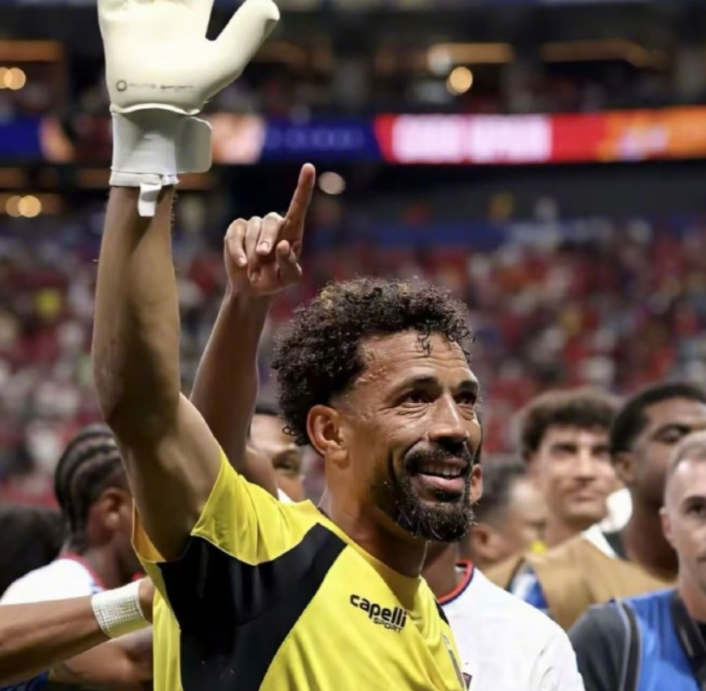
Personally, however, I believe it may be time for him to start thinking beyond life as a player. At 40, a transition into goalkeeping coaching should be seriously considered. Manchester United goalkeeper Tom Heaton provides a good example, gradually moving toward a coaching role during the latter stages of his playing career. Vozinha’s greatest asset is his vast experience. He has played on football’s biggest stage at the World Cup and has competed in several countries, including Moldova, Cyprus, and Slovakia. His late-blooming career journey would be a valuable source of inspiration for younger players.
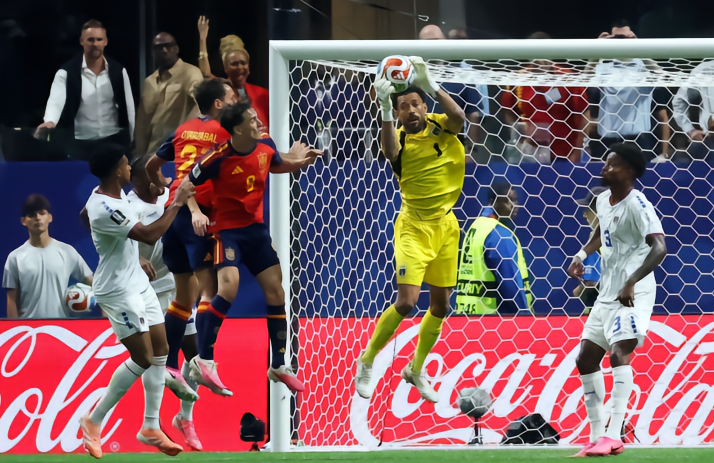
Of course, he also possesses something many players do not: visibility. Thanks to the World Cup, his profile has grown dramatically, and his social media following has increased exponentially. Given Cape Verde’s current position, should they secure qualification for the knockout rounds, Vozinha will likely have further opportunities to perform under the global spotlight. Such attention is rare for players competing outside the top leagues. Whether as a player or a coach, his growing popularity could bring considerable exposure to any future employer.
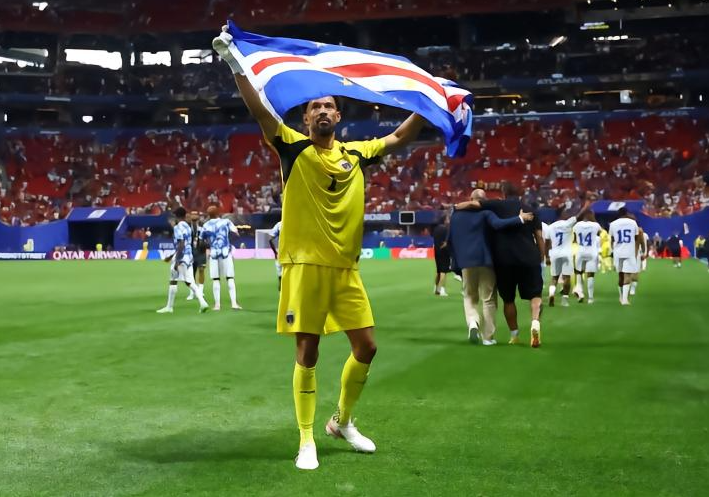
The glory of the World Cup may not have earned him a new contract from his old club, but after his breakthrough moment on football’s biggest stage, a path previously unimaginable has opened before him. A butterfly flaps its wings in North America, and across the Atlantic, a storm begins to gather over a small African island nation.
 Telegram
 Facebook
 X
X