- Decimal Odds
- Hong Kong Odds
- Indonesian Odds
- American Odds
- Malay Odds
 English
- English
 Vietnam
 Thailand

FIFA and FIFPRO Push for Stronger Heat Safety Rules After World Cup Weather Concerns


-
1
 kuban RodríguezFollow90%Win Rate +57.2%ROI 11Tips 1.90Avg Odds
 -
2
 ApoorvWon 16/18Follow85%Win Rate +49.7%ROI 20Tips 1.88Avg Odds
 -
3
 arpan paulFollow83.3%Win Rate +37.6%ROI 12Tips 1.81Avg Odds
 -
4
 CeestixxFollow80%Win Rate +38.6%ROI 11Tips 1.83Avg Odds
 -
5
 Analysis VIP99Won 6/7Follow80%Win Rate +34.3%ROI 10Tips 1.78Avg Odds
 -
5
 ConstanceWon 8/9Follow80%Win Rate +25.5%ROI 10Tips 1.64Avg Odds

FIFA and FIFPRO Push for Stronger Heat Safety Rules After World Cup Weather Concerns
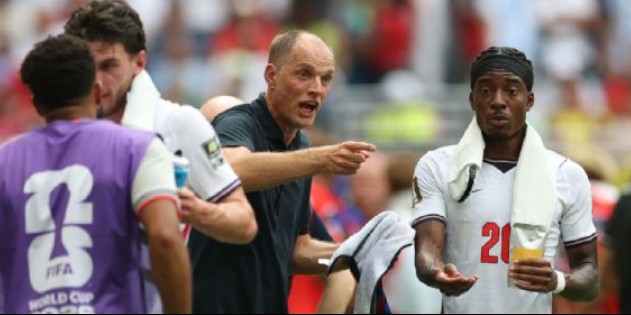
FIFA and the global players' union FIFPRO are continuing discussions over player safety during the 2026 World Cup, with extreme heat becoming one of the tournament's biggest concerns. The dialogue follows several matches played in challenging weather conditions, including England's quarterfinal victory over Norway in Miami, where players faced intense temperatures and high humidity that exceeded the limits recommended by the players' union.
A key point of debate is the use of the Wet Bulb Globe Temperature (WBGT), which measures the combined impact of heat, humidity, and other environmental factors. FIFPRO believes matches should be delayed or postponed when WBGT readings rise above its recommended safety threshold. FIFA currently follows a different approach, allowing mandatory cooling breaks only when conditions become even more severe, while optional hydration pauses can be introduced at slightly lower readings.
The issue of player welfare has already prompted FIFA to adjust tournament scheduling. Following similar concerns during last year's Club World Cup, more World Cup matches have been assigned to air-conditioned stadiums during the hottest periods of the day. Both semifinal matches have been scheduled in climate-controlled venues, reflecting efforts to reduce the impact of extreme weather on players and officials.
Despite those adjustments, FIFA and FIFPRO are expected to continue negotiations beyond the current tournament in an effort to establish clearer and universally accepted heat protocols. Both organizations recognize the growing challenge posed by high temperatures at major international competitions, and future agreements could lead to more consistent regulations designed to protect players while maintaining the integrity of the game.
 Telegram
 Facebook
 X
X